
Common Causes of Power Transformer Failures in Industrial Applications
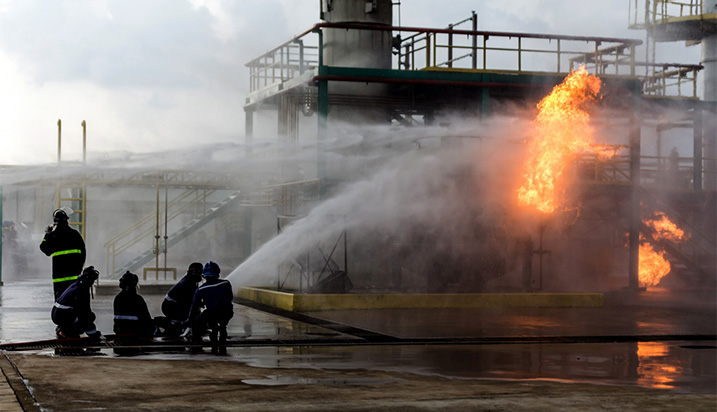
Power transformers play a critical role in industrial environments by adapting voltage levels and ensuring efficient, reliable power distribution. Their continuous operation is vital—any failure can result in production downtime, equipment damage, and safety hazards. While generally robust, transformers can still suffer from electrical faults, thermal stress, mechanical issues, environmental influences, and poor maintenance. This article outlines the key causes of transformer failures and offers practical strategies to extend their service life and minimize unplanned outages.
1. Electrical Faults
Electrical issues are among the most common causes of transformer failures:
Overvoltage Events: Lightning strikes, switching surges, and grid disturbances can cause voltage spikes that exceed the insulation capacity of the transformer, leading to internal breakdowns and potential failure.
Short Circuits and Ground Faults: These events generate high fault currents, causing intense localized heating and insulation degradation over time. Ground faults, particularly in systems with poor earthing, can have similar damaging effects.
Harmonics and Transients: Industrial loads like drives and large motors generate harmonic currents that contribute to overheating. Transient overvoltages—such as those from capacitor switching—further strain the transformer’s insulation system.
2. Thermal Stress
Excessive heat is one of the most significant stress factors in transformer operation:
Overloading: Operating a transformer above its rated capacity increases core and winding temperatures. Even occasional overloading accelerates insulation aging and reduces life expectancy.
High Harmonic Content: Harmonics induce circulating currents in the core and windings, producing heat even under normal load. Filtering harmonic distortion helps prevent premature aging.
Cooling System Failures: Oil circulation or forced air cooling systems are essential for heat dissipation. Mechanical failures, coolant leaks, or fan malfunctions can result in thermal runaway and catastrophic failure.
Ambient Temperature Fluctuations: Outdoor or unconditioned environments can expose transformers to thermal cycling and temperature extremes, compromising insulation and reducing cooling efficiency.
3. Mechanical Issues
Mechanical integrity is critical for reliable transformer operation. Common mechanical issues include:
Winding Deformations: Internal electromagnetic forces during operation can cause slight movement of windings. Over time, this can lead to deformation and reduced fault tolerance.
Core Loosening and Vibration: Vibrations—whether from external machinery or internal flux imbalances—can loosen the magnetic core. This causes increased losses, localized overheating, and potential failure.
Manufacturing Deficiencies: Poor assembly practices, such as improper clamping or inadequate insulation spacing, can result in structural weaknesses that manifest under operational stress.
4. Environmental Factors
Transformers are vulnerable to environmental conditions, especially in industrial settings:
Moisture Ingress: Moisture reduces the dielectric strength of insulating materials, encouraging partial discharges and insulation aging. Entry points include degraded seals, gaskets, or condensation from thermal cycles.
Pollution and Contaminants: Dust, chemical vapors, and other airborne pollutants can accumulate on insulating surfaces or block cooling channels, increasing the risk of overheating and accelerated aging.
Corrosion: Coastal, humid, or chemically aggressive environments can corrode metal components, leading to oil leaks, weakened enclosures, and electrical failures. Regular maintenance and protective coatings help mitigate this risk.
5. Inadequate Maintenance
Without a robust maintenance program, early warning signs may go undetected:
Lack of Inspections: Periodic inspections are crucial for identifying oil degradation, insulation wear, or mechanical shifts before they develop into serious faults.
Improper Repairs or Retrofitting: Using non-OEM components or bypassing manufacturer guidelines during repair work can introduce new failure risks.
Limited Monitoring: Relying solely on manual checks ignores the benefits of continuous monitoring systems like Dissolved Gas Analysis (DGA) or infrared thermography, which detect problems long before they become critical.
Real-World Case Studies
Case 1 – Overload-Induced Failure:
An industrial site operated a transformer at 120% of its rated load for an extended period. Overheating caused insulation degradation, leading to failure. After the incident, the site upgraded to a higher-rated transformer and implemented real-time monitoring to manage load conditions.
Case 2 – Environmental Corrosion:
A transformer located near the coastline failed due to severe corrosion accelerated by salt exposure. Standard protective coatings and inspections proved insufficient. Following the failure, corrosion-resistant equipment was installed, along with a stricter maintenance protocol.
Conclusion
Understanding why transformers fail is the first step toward preventing costly downtime. Electrical stress, thermal overload, mechanical strain, environmental exposure, and poor maintenance are the leading contributors to failure. Proactive risk management—including continuous monitoring, proper cooling, regular inspections, and robust environmental protection—can significantly extend transformer service life and enhance system reliability.
Looking to protect your industrial transformers?
Contact us to speak with one of our application engineers. We'll help you choose the right monitoring and protection strategy for your systems.
References
IEEE Std C57.91-2011 – Guide for Loading Mineral-Oil-Immersed Transformers
P.M. Anderson & A.A. Fouad – Power System Control and Stability, Wiley-IEEE Press
D.K. Paliwal – Transformer Failures, Causes & Remedies, PSERC
About SensorSafe
SensorSafe is a global leader in hydrogen sensing technology, delivering accurate and reliable real-time hydrogen measurement solutions for process analyzers, safety systems, energy storage, and transformer monitoring. Our patented solid-state hydrogen sensors offer unmatched performance—crucial for safe and efficient hydrogen management across a range of critical applications.
